(416) 484-8383
Patient Intake Form

Meridia Admin

How to improve your exam experience

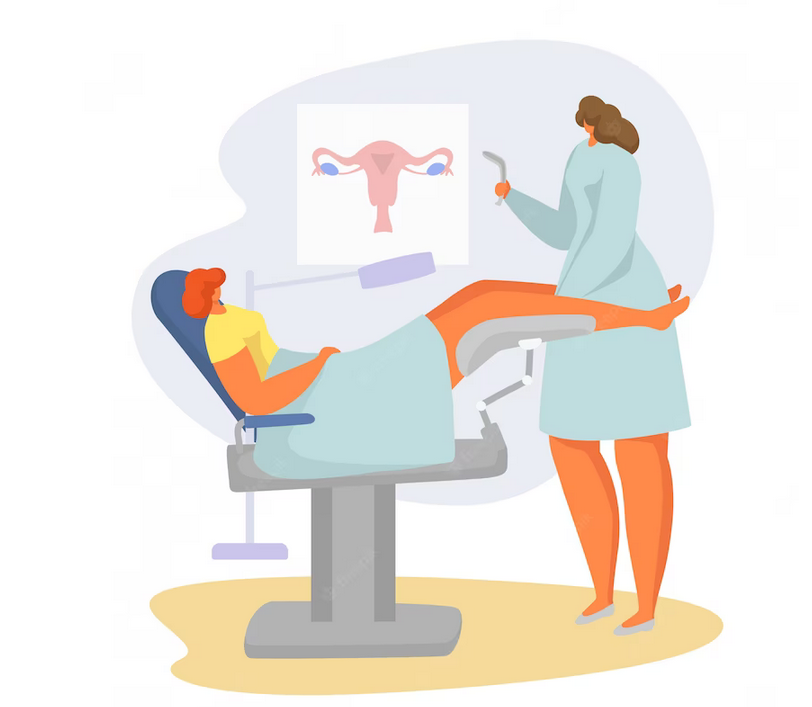
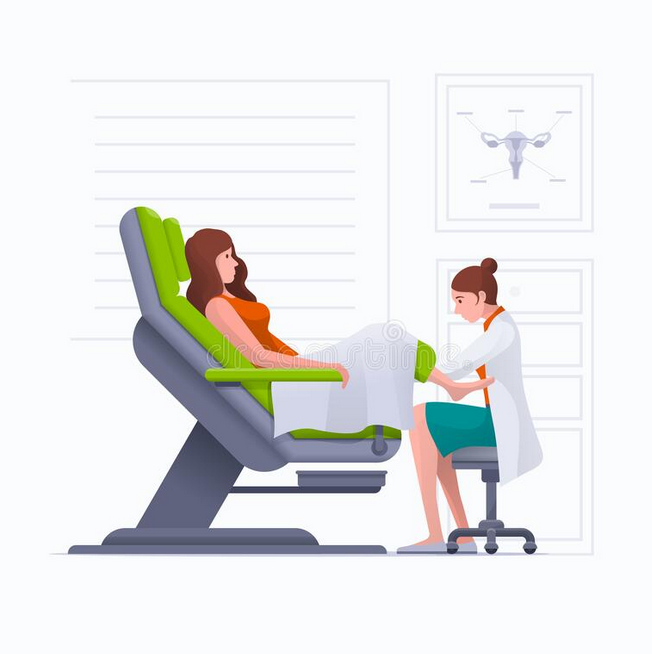
People often ask me what can be done to make the experience of a necessary gynecological exam more comfortable. While it is common knowledge that gynecological exams and/or procedures can be uncomfortable or sometimes painful depending on a patient’s level of tolerance, there are certain things that can help ease the experience.   Before the exam, communicate any concerns or anxieties you may have to your gynecologist. This will help your doctor understand your needs and make adjustments to address them appropriately. Schedule your appointment at a time when you are least likely to be stressed, such as mid-cycle or after your menstrual period. If you feel more comfortable with a support person present, bring a friend or family member to the appointment. Use relaxation techniques such as deep breathing, visualization, or other relaxation techniques before and during the exam to help calm your nerves. Don’t be afraid to ask any questions you may have before, during, or after the exam. Understanding what is happening can help reduce anxiety. If you feel uncomfortable during the exam, ask for a break. Your gynecologist will be happy to accommodate you. Remember, your gynecologist is there to help you, and wants to make your experience as comfortable as possible. Don’t hesitate to speak up if you have any concerns or discomfort.

ENDOMETRIAL CANCER

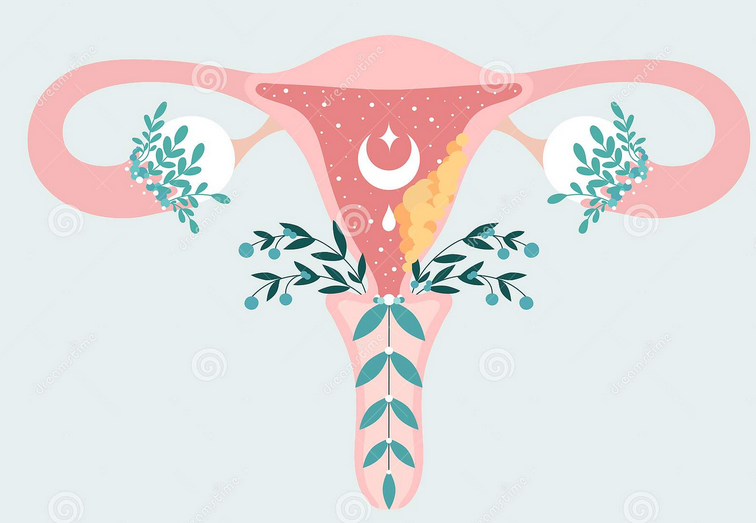
see our blog: Postmenopausal bleeding: Do you have cancer?   What is endometrial Cancer? Endometrial cancer is cancer of the lining of the uterus (the endometrium), which is the tissue that came out during your periods. In menopause, this lining should be thin and should not cause bleeding. If it becomes abnormally thick, you may have precancer (endometrial hyperplasia) or Cancer. Endometrial Cancer is common. The chance of getting endometrial cancer in your life is almost 3% and is most common after about 55 years old. If Endometrial cancer is diagnosed early, the outcome is excellent and may only require a hysterectomy. Delaying the diagnosis and treatment can obviously worsen the outcome and involve more complicated treatments.   Who is at risk for Endometrial cancer. Risk of getting endometrial cancer Increases: as a woman gets older, usually in menopause. Obesity due to increased circulating estrogen. (Obesity increases the risk of Breast Cancer as well.) Taking estrogen without progesterone; using tamoxifen for breast cancer treatment or to lower breast cancer risk. First period at a younger age, later menopause, a history of infertility, polycystic ovary syndrome (PCOS), or not having children. (all these cause longer exposure to estrogen) Women with a personal or family history of hereditary non-polyposis colorectal cancer (HNPCC or Lynch syndrome) Women who have had breast cancer or ovarian cancer may also have an increased risk of endometrial cancer.   Can you prevent endometrial cancer?  No, but you can decrease your risk of getting it. Overall health is a good way to decrease cancer risk. Keeping your weight as normal as possible to avoid increased estrogen due to obesity. Diabetes: Good control and weight management is helpful. Using the birth control pills at a younger age can confer protection from endometrial cancer for many years afterwards. Alcohol increases your risk and coffee may decrease your risk. Never use estrogen products alone. Always add progesterone, which protects the uterus from cancer when using estrogen. There is no good evidence that “Bioidentical hormones” decreases your risk of endometrial cancer. Always see a Gynecologist if you have any vaginal bleeding in menopause. (see our blog: Postmenopausal bleeding: Do you have cancer?)

Postmenopausal bleeding: Do you have cancer?

What is postmenopausal bleeding? If you are in menopause and have any vaginal bleeding, even occasional spotting or a light period like bleed, even only once, you need to see your physician and possibly a Gynecologist. This is called postmenopausal bleeding. Why are we concerned?   Any bleeding in menopause could be a sign of precancer or cancer of the uterus lining, called Endometrial Cancer. Other cancers can also have similar bleeding in that area, such as from the Vagina, the cervix, the bladder (especially if there is blood in your urine.) or the anal and rectal area. What is menopause? Menopause is the time after your periods stop. Menopause usually occurs in your late 40’s. Strictly speaking once you have had no bleeding for 1 year, we call that menopause. What is Perimenopause? Leading up to menopause, you may have irregular bleeding, energy changes, mood changes, headaches, hot flashes or night sweats, due to the hormones from your ovaries slowing down. Should I be worried if I have irregular periods or vaginal bleeding? Yes, any irregular bleeding especially after 40 years old or if you have other risk factors such as being overweight or have PCOS, can be due to precancerous changes or cancer. Does endometrial cancer occur in young women who still have periods? Yes, we have diagnosed young women with endometrial cancer at 32yo and many young women with precancerous changes called atypical hyperplasia or Endometrial intraepithelial neoplasia (EIN) What test should you have done if you have irregular or postmenopausal bleeding? A full pelvic examination, including the vagina and the cervix. A Pelvic ultrasound, including in the vagina if possible, to look at the uterus lining for abnormal changes. If there is a concern of endometrial cancer, a small clinic procedure or sampling of the lining is the only way to make a diagnosis. Final word: If you are in menopause and have any bleeding or pink or brown discharge from the vagina, even if you think it is nothing, please see your Family Physician of Gynecologist to get an ultrasound of the uterus, to have a vaginal examination and to possibly have sampling done of the uterus lining.

Is your iron low? Oral Iron replacement options

See our blogs about Iron Deficiency in Women. Iron is absorbed very poorly, even from iron pills. The “bioavailability” is low: we only absorb about 5-30%. So use it regularly until your ferritin (stored iron in your blood) is > 30. Side effects from the iron pills? Constipation: ensure that you increase your fluid and fibre intake and/or use stool softeners such as Colace. Taking the iron at bedtime may help some of the other stomach side effects. Vit C: 250-500mg taken with the iron from the non-heme group (see below), can help increase the iron absorption in the small intestines. Taking iron every second day may help overall absorption of iron. (based on small studies) Liquid iron or pills? No real difference, possibly a marketing strategy. But liquid ferrous sulphate or ferrous fumarate is a good option if you can’t swallow pills easily. Severe iron deficiency: If your ferritin is very low, I recommend taking a heme iron supplement in the morning, and a non-heme iron supplement with Vit C, at bedtime. Too much iron? Always monitor the ferritin level: too much iron is bad, it can increase inflammation, cause liver damage and disturb your protective gut organisms   2 types of iron replacement:   Heme iron is made from animal sources such as beef, so may be better absorbed. Use heme iron replacement in the morning.   Optifer or Proferrin in the morning   Non heme iron: Made from plant sources or various iron salt compounds. Use at Bedtime: (may help decrease stomach side effects.)   Ferrous Ascorbate (EBMFER has Vit C already) OR Ferrous Polysaccharide (eg. Polyride Ultra (includes Vit C) or Feramax (add Vit C) OR Ferrous Fumarate 300mg with Vit C 500mg at bedtime (eg. Palafer or Eurofer: (Eurofer is cheaper and the same) OR Ferrous sulphate and ferrous gluconate have lower amounts of elemental iron and some women tolerate them well. OR Floridex: women often ask about this. It contains one of the lowest amount of iron, so that is why it may be better tolerated.   Do not take these with Calcium or dairy products (blocks iron absorption). Vitamin C helps with iron absorption.

WOMEN and IRON DEFICIENCY Part 2

About 20% of women and 50% of pregnant women are low in iron “When it comes to life, iron is more precious than gold.”   Prevention and treatment Iron deficiency is very common in women due to repeated heavier periods or irregular bleeding and lower iron intake. Also, when pregnant and when breast feeding, your baby uses your stored iron. During childbirth, there can also be a lot of bleeding and iron loss.   How do you prevent low iron?   Stop heavier periods or irregular bleeding: You cannot fill a bathtub if the drain is not plugged. Similarly, you cannot expect your iron levels to rise and stay up, if you keep on losing blood, which has iron, every few weeks when you have heavier periods. Iron replacement is important, but it makes no sense to use iron without also treating the heavier periods!   Step 1: Take extra iron pills and increase iron intake in food. (see our Blog: Is your Iron low? Iron replacement options) Step 2: If your periods are heavy, or if they occur very often or if there is irregular bleeding: have this treated. Please see a Gynecologist to diagnose why you are having heavy periods: there may be polyps or fibroids that need to be removed, or you may need a small ablation procedure. Hormones like the birth control pill, or a progesterone IUD can help. The most commonly used non hormonal treatment for heavy periods, that is only used on the days of your periods, is tranexamic acid (It is not a hormone and has no hormone or mood or libido side effects)   If you are pregnant or breast feeding, always take extra iron and test your ferritin: ferritin level should be over 30. If it is under 10, you are in trouble and you should ask for IV iron. Your baby needs it. It takes many months to increase your iron stores because we do not absorb iron from pills or food very well. So keep on using iron until your ferritin and hemoglobin are consistently normal. (Ferritin should be above 30, not 10!)   Iron replacement: Food: Make sure you are eating iron rich foods:   1: Heme iron foods: The best absorbed iron by your body:  (from 15-30% is absorbed – called “Bioavailability”)   Foods that have hemoglobin or blood: Heme iron foods:  Red meat, chicken, chicken livers (yummy when cooked with onions and smooshed into a paste: liver pate!)  beef livers: also better when cooked with onions and lots of herbs etc), Mussels, oysters and fish       2: Iron in foods from plants: Non heme sources. These are less well absorbed and only a small amount of the iron you eat is actually absorbed into your blood (from 2-20% is absorbed) Iron in plant foods such as: Legumes such as lentils, beans, peas, Tofu, chickpeas and spinach. Raw seeds and nuts such as: pumpkin seeds, raw sesame seeds, sunflower seeds, pecans, walnuts, almonds, cashews , chick peas Dark leafy greens: kale, spinach, Vegetables such as broccoli, split peas, string beans, Brussel sprouts, cabbage Dried fruits: raisins, apricots, figs, dates, prunes Iron fortified cereals and grains such as breakfast cereals and fortified breads.     Iron Replacement:  Pills or IV iron   Iron pills:  (see our Blog: Is your Iron low? Iron replacement options) There are so many iron pills, each has a different amount of “elemental” iron. (That is the real amount of iron in each pill, in small print under ingredients) There are heme iron pills made from beef or non-heme pills from plant based products/crystals. Sometimes you can have side effects from iron such as stomach pains, nausea, cramping and constipation.   I recommend: Taking iron with Vit C: 250 to 500mg to help iron absorption. Do not take iron together with Calcium or dairy products: this blocks iron absorption in the small intestine. Use an iron pill that has sufficient iron. From experience, everyone absorbs iron differently, so find a product that works for you. (test this with ferritin blood tests every few months at the beginning) There is some evidence that taking iron every second day may be helpful (prevents hepcidin from blocking iron absorption) Slow down or stop iron when your ferritin is normal, to prevent bad iron overdose effects.   IV iron:   Monoferric IV, the newer and safer version of IV iron. IV iron is the best way to treat significant iron deficiency. IV iron is recommended if Ferritin is low in pregnancy. Ferritin is low when breastfeeding. You have significant iron deficiency anemia.

WOMEN and IRON DEFICIENCY: Part 1

When it comes to life, iron is more precious than gold. About 30% of women and > 50% of pregnant women have low iron   How do you feel if your iron is low? You feel lousy: loss of energy, lower concentration, poor memory, mood is depressed, sex drive is lower, get tired easily. If it’s severe, you can be short of breath, feel dizzy especially when standing or you can faint and injure yourself. Severe Iron Deficiency Anemia: IDA can even cause heart failure because your heart muscles can’t pump well enough.   Not enough iron intake (food/supplements) + losing too much blood/iron =  iron deficiency.   There are many causes of iron loss, including stomach ulcers, not absorbing iron, bleeding from the bowel, not eating enough iron rich foods and other chronic diseases, such as kidney and liver disease. Are you vegen or vegetarian or do you have a restricted diet (eating disorder: with or without vomiting)? You need iron, Vit B12 and Zinc replacement   For Gynecology the biggest causes are heavy periods, irregular bleeding, pregnancy, breast feeding and not taking enough iron.   Why is iron so important? Iron is essential for building hemoglobin (the oxygen transporter in our blood) which is in the red blood cells or erythrocytes (200 billion are made every day!) Red blood cells carry oxygen all over the body to allow your organs to function. The oxygen in the blood is also transported to muscle, where the oxygen carrier is called myoglobin. Of particular concern is heart muscle, which is highly dependent on iron to work properly, allowing your heart to send blood everywhere in the body, at the correct pressure. If your iron level is low, your brain, organs and muscles including your heart do not work 100%. What is Iron Deficiency Anemia or IDA? If the iron deficiency is significant, you can develop Iron Deficiency Anemia.(IDA). IDA is due to iron being very low, so low that it cannot support the hemoglobin in the blood, and the hemoglobin levels then drops, called anemia. IDA can be due to a sudden large loss of blood (a severe heavy period) or more often, a slow gradual process due to chronic loss of blood (heavier periods one after the other) and insufficient iron intake.     During pregnancy and breast feeding, vital iron also goes to the baby, therefore more iron is needed for mom and baby.   Women only have about 6 months’ worth of iron stores (men have about 3 years). Women lose iron: i: when they have periods: stored iron is lost every period or ii: during childbirth or iii: when breast feeding. This can result in iron deficiency if the iron is not replaced enough to keep up with the loss.   The danger is when you already have low iron or IDA, and you then have an unexpected large bleed from a really heavy period for example. You may not compensate and you drop your hemoglobin so much that you become dangerously unstable and urgent treatment including blood transfusions may be required.   Testing:  Ferritin and Hemoglobin levels are key! Most iron is stored as “ferritin” in your blood. We test ferritin to see if it Is low. Aim for a ferritin greater than 30. Between 10 -30, you are low in iron and need to treat it. A ferritin less than 10 is cause for alarm. See a physician. We also test the hemoglobin (the oxygen transporter in blood, that needs iron to work) If the hemoglobin is low, then you have anemia as well. Anemia is a sign of significant iron and/or blood loss. (called Iron Deficiency Anemia IDA)   Iron deficiency is the leading cause of “years lived with disability” in women. That means when your oxygen carrying cells, your brain and muscle oxygen is low, and the heart muscle etc. do not work like they should, this causes “disability” (tired, lack of concentration, lower mood, lower energy, heart problems etc.)   See Blog: Women and Iron Deficiency Part 2: about prevention and treatment See Blog: Is your Iron Low: Oral Iron replacement.  

Gynecology for women with previous trauma : Part 2

Making a Gyne exam safer and easier for those who have experienced trauma: part 2 A Gynecology examination can be stressful, anxiety provoking and awkward. Consider what it is like for women who also previously experienced trauma. (see blog: part 1) The essence of any care framework is to be aware of the concerns and issues and to develop the correct tools to care appropriately. We often see patients who may have symptoms of trauma: Agitation, fear, anxiety, extra quiet, sudden sweating or easily startled before and during examinations, outburst of anger, emotional swings, cries easily. How do we help in these circumstances?  The simple answer is that we assume that many if not most of our patients have experienced trauma and that many or most women cannot share that history during a Gynecology consultation. Our goal, using trauma informed care is: To understand and realize the effects of previous trauma, To try identifying symptoms where possible and to have a uniform approach for all women, because we may not be aware of trauma, Respond by communicating and adapting examination techniques and procedure, like using the tiniest speculum possible and corroborating consent repeatedly. Not to cause more harm and to encourage resilience and free active participation. We want an environment that is safe, caring, that allows every woman we see, to be in control and to feel in control, so that she can easily let us know if she is not comfortable or wishes to have the conversation or examination or ultrasound done differently. We are not trained nor equipped to manage or treat the effects of  trauma, but we want you to experience a caring, safe, gentle and informative Gynecology consultation with an experienced Gynecologist, examination or ultrasound. We want you to know that you are fully in control while in this clinic. How do we help at Meridia Medical? When filling in the online intake information form, there is introductory information about what to expect and about your rights as a patient to control the consultation. Our website home page has a information page called: What to expect during Ultrasound and Gynecology examinations at Meridia Medical. We have other blog articles about Gynecology care on our website, please read them. Our clinic is calm, clean and we have comfortable examination chairs and equipment to make your examination as easy and gentle as possible. Even our speculums are warmed, and we use the smallest size for you. We don’t use a one size fits all “regular “speculum. We give you information, ask your consent many times, check in with you often to see if we can continue. There is a Registered Nurse with you during every examination to offer support, comfort and provide you with information so that there are no surprises to cause you to startle or be anxious. We have many interactive consent forms so that you are always fully informed. Making a Gyne exam safer and easier for those who have experienced trauma: part 2 A Gynecology examination can be stressful, anxiety provoking and awkward. Consider what it is like for women who also previously experienced trauma. (see blog: part 1) The essence of any care framework is to be aware of the concerns and issues and to develop the correct tools to care appropriately. We often see patients who may have symptoms of trauma: Agitation, fear, anxiety, extra quiet, sudden sweating or easily startled before and during examinations, outburst of anger, emotional swings, cries easily. How do we help in these circumstances?  The simple answer is that we assume that many if not most of our patients have experienced trauma and that many or most women cannot share that history during a Gynecology consultation. Our goal, using trauma informed care is: To understand and realize the effects of previous trauma, To try identifying symptoms where possible and to have a uniform approach for all women, because we may not be aware of trauma, Respond by communicating and adapting examination techniques and procedure, like using the tiniest speculum possible and corroborating consent repeatedly. Not to cause more harm and to encourage resilience and free active participation. We want an environment that is safe, caring, that allows every woman we see, to be in control and to feel in control, so that she can easily let us know if she is not comfortable or wishes to have the conversation or examination or ultrasound done differently. We are not trained nor equipped to manage or treat the effects of  trauma, but we want you to experience a caring, safe, gentle and informative Gynecology consultation, examination or ultrasound. We want you to know that you are fully in control while in this clinic. How do we help at Meridia Medical? When filling in the online intake information form, there is introductory information about what to expect and about your rights as a patient to control the consultation. Our website home page has a information page called: What to expect during Ultrasound and Gynecology examinations at Meridia Medical. We have other blog articles about Gynecology care on our website, please read them. Our clinic is calm, clean and we have comfortable examination chairs and equipment to make your examination as easy and gentle as possible. Even our speculums are warmed, and we use the smallest size for you. We don’t use a one size fits all “regular “speculum. We give you information, ask your consent many times, check in with you often to see if we can continue. There is a Registered Nurse with you during every examination to offer support, comfort and provide you with information so that there are no surprises to cause you to startle or be anxious. We have many interactive consent forms so that you are always fully informed.

Gynecology for women with previous trauma : Part 1

Making a Gyne exam safer and easier for those who have experienced trauma: part 1 Have you experienced trauma as a child, trauma at home, from a dysfunctional or abusive relationship (verbal and physical or where you are downtrodden), from abuse at work, from economic hardship, sexual abuse, from previous medical or birthing trauma or from mental health concerns such as depression, anxiety or a personality disorder?   These are all very common, more common than we realize! Surveys report 60-80% of individuals have experienced at least one adverse event. Trauma affects everyone, all races, ages, and socioeconomic statuses. Some are exposed to higher rates, including families with excessive substance use, ongoing economic stress and poverty, or homelessness and indigenous families.   Add to that a Gynecology examination, a pap test or vaginal ultrasound, in an area which may have been negatively and terribly affected by the trauma. Gynecology can be very tricky and unsettling for you, especially if, understandably and commonly, you are unable to share your trauma history, especially during the first few consultations, if ever. It can take months or years before some patients share and reveal their trauma history.   On top of that, we are a busy clinic. We have patients calling and asking to be seen ASAP, wishing to avoid long delays for an appointment, the fact that we are also a Gynecology procedure clinic, where urgent, unexpected cases are seen daily, such as for miscarriage, infections, heavy periods, abnormal bleeding that may be due to endometrial cancer etc.  The surrounding medical services are overwhelmed with years long wait times, ER’s are overwhelmed. We want to help urgent cases as well as our regular planned appointments.   Then there is the added stress from prolonged time in the waiting room, because we have added urgent patients or some patients have additional, more urgent concerns. How do we help to make your experience as best as possible?   Please read: Making a Gyne exam safer and easier for those who have experienced trauma: part 2.

What led me to do Labiaplasty surgery?

It has been almost 20 years since I did my first labia reduction / labiaplasty surgery. I remember clearly the conversation I had with a 43 year old woman who was distraught after having a procedure (simple vulvectomy) by another Gynecologist, to make her labia smaller. They were too long and she wanted this corrected.   On the day of her surgery, I happened to be the trainee Fellow who assisted her Gynecologist with an incontinence surgery procedure. Once this was procedure was completed, almost as an afterthought, a simple Vulvectomy was done, this is the excision of her inner labia. Unfortunately, the result was not expected nor wanted. Her new labia were not the same size and there were rail track like indentations and scarring where the sutures had been. I remember her saying to me that she could no longer have sex with her husband because she was so embarrassed by the appearance of her new labia and she felt shame, more than before the surgery.   She had lost her libido and sexual / genital confidence. It was then that I decided to develop a technique that would result in none or very rare scarring and asymmetry. Fast forward almost 20 years and numerous successful procedures.   Although I do many other Vulva and Gynecology procedures, some for diagnosing cancer, others are surgery for precancer, and procedures for helping women become pregnant, Labiaplasty is often the most gratifying of them all. Not that I have saved a life, but rather because I feel I have provided some women with a newfound confidence of their genital area. This leads to an increased self and sexual confidence, more freedom to enter into new relationships, and the ability to have more satisfying sex without the embarrassment and sometimes shame they felt before.

Inserting an IUD: How we do it…. A less painful way. Part 2

Please see our blog: Inserting an IUD with the Least Pain Possible Just a quick read on social media tells the story that IUD insertions can be terribly painful and scary. If done correctly, It should not be! I have learned from inserting more than 2000 IUD’s, that the best way in my experience, is to select the correct IUD, maximize the use of pain medication and local anaesthetic beforehand and to use ultrasound to make sure the IUD is correctly positioned. This approach is very effective, to the point that many patients tell us that they only felt mild cramping and almost no pain.   What do we do to make it easier? IUD insertion 101: We choose the correct IUD (see our previous IUD blog), taking into consideration information about your periods: are they light, heavy and/or painful. You choose which one you want after we discuss all the options with you using a diagram with information. Know the size, position and shape of the uterus beforehand. (if the size of your uterus cavity, where the IUD goes, is small, we won’t recommend a larger IUD) We always insert the IUD during a period: You call us on the first day of the period and we insert the IUD within a few days. This avoids inserting an IUD when there may be an early pregnancy. Also, when you have a period, the cervix is often a little softer and open, This makes the insertion easier and safer. We email information beforehand to remind you to take medication such as Advil and Tylenol 1 hour before. Drink fluid such as Gatorade before the IUD is inserted. The fluid prevents you from feeling faint after the procedure. This can sometimes happen due to nerve stimulation when the IUD goes in. (Fainting can occur especially if you are already a little dehydrated from not drinking enough beforehand.) We give you freezing / local anaesthetic into the cervix, to make the insertion much more comfortable and often without pain. The IUD is then inserted in a very controlled methodical way. If the IUD needs to be repositioned or replaced because it is not in the correct position, we can do it straight away, knowing that you already have the local anaesthetic in place. So much easier, safer and better tolerated! We do an ultrasound there and then without you having to move, to see if the IUD is in fact in the correct position. It is not uncommon that I think the IUD went in well, only to see on ultrasound that it is not in an ideal position. A misplaced IUD can increase your risk of pain, or pregnancy or perhaps an ectopic or tubal pregnancy. In 2022, there should be no guessing or just hope, that the IUD has been inserted into the correct position. An ultrasound tells us immediately where it is and if it should be repositioned or replaced, which I do immediately. You can go home feeling reassured and safe that the IUD is in the correct position. We monitor you afterwards for about 30-60 minutes to make sure you are not feeling dizzy, lightheaded or in pain. We give you tea while you relax in the recovery area! We will see you again after about 3 months, to review how you are doing, do you have any problems or side effects, and to check that the IUD is still in the right place.   To sum it up: I believe that IUD’s are an excellent and reliable form of contraception and a great way to help make heavy and painful periods a thing of the past. The key is choosing the correct type and size IUD and to use adequate medication and local anesthesia. We see you again in a few months to make sure everything is okay and to check that the IUD hasn’t moved.

Inserting an IUD with the Least Pain Possible​ – Part 1

The new generation of IUDs offer many benefits. Gone are the days where one size fits all, where a woman must bear the pain during the insertion and then contend with side effects in the short and long term. Understandably, many women may worry about having an IUD inserted when reading online about other women’s experiences, especially regarding how painful it can be. However, from over 20 years of experience, having inserted more than 2000 IUDs, I believe that there is a better way when inserting IUD’s to make the experience safer and with no pain or the least cramping or pain possible. In fact, IUD’s or intrauterine devices have become very popular during the past decade due to the amazing progesterone IUD’s now available, which often make heavier and painful periods a thing of the past. Moreover, there are also smaller and more flexible copper IUD’s that can be fitted into any size uterus without the trauma and pain of the past IUD’s. We can also be more creative by selecting the correct size and type of IUD for the right patient and her uterus. Indeed, IUDs have come a long way and are now viable, recommended options for many women. There are 2 main groups of IUDs currently available: IUDs that contain the hormone progesterone, which make periods lighter, less painful and can sometimes even take your periods away while the IUD is inside Copper, non-hormonal IUD’s, which can sometimes make your periods heavier and sometimes more painful: everyone can have a different response In consultation with my patient, we would select the best IUD based on the following questions: Are your periods light, normal or heavy? You can tell how heavy periods are by how often you change a pad, tampon or cervical cup based on how saturated they become. If you are losing a lot of period blood, then a Progesterone IUD may be the best option for you. Are your periods painful, from mild to severe? Painful periods can be gauged by if you need medication to manage the period pain or if you need to stay home due to the pain. Do you use Advil, Tylenol, or other pain relievers during your periods? A progesterone IUD is better if you have painful periods. What size uterus do you have? Is it big enough to fit one of the progesterone IUD’s which are wider than the smaller flexible copper IUD’s?  More about this later. Do you have mood or depression concerns or acne? These conditions are sometimes aggravated with the Progesterone IUD, so that may not be the best option for you. This is the way I insert IUD’s (and I have inserted over 2000!): Choose the right kind and size IUD. Not every uterus has the same shape or size. You cannot just insert any IUD and one size does NOT fit all. Here is a list of essential considerations: Size, shape and position of the uterus: Knowing beforehand what the inside size of the uterus (womb) is, is vitally important when choosing the correct IUD: That is where the IUD must fit, without damaging, pushing against or penetrating the surrounding muscle wall of the uterus (the myometrium).  A common cause of pain during and after insertion occurs when the IUD is too large and the side arms push against or penetrate into the muscle wall. We know that when the IUD side arms are open (deployed) in the uterus, in the shape of a T, a Kyleena Progesterone IUD is 28mm wide, and a Mirena Progesterone IUD is 32mm wide. Flexible Copper IUDs vary from 23 to 28mm but are flexible enough to fit into an even smaller sized uterus. Also, if the uterus is larger, a smaller IUD may drop down and put you at risk of an unintended pregnancy. For these reasons, I always measure the uterus size while also checking for any abnormal shapes of the uterus before inserting an IUD. Is your uterus normal shaped? Do you have a heart shaped uterus or is the uterus formed with a wall down the middle?  Do you have a rare-shaped uterus with 2 upper cavities for example. If there is an abnormal shaped uterus, then obviously an IUD may not be possible. If you don’t have a pre-insertion ultrasound, you will never know this, so they are an important part of the process. Also, knowing exactly what shape, position, and size uterus you have makes the IUD insertion more precise and almost hazard free, with less pain because we know the position of the uterus (up or down or rotated) and we know what the correct direction is when putting in the IUD. An IUD can easily be pushed through the wall if you don’t know the correct position. Often, just doing an examination is not good enough to determine the position due to a number of factors.  Fortunately, in 2022, we don’t need to guess; we can be careful and precise by using an ultrasound beforehand. What are your periods like before the IUD? Are your periods heavy, normal, or light? This is very important information. If you have heavy periods, there is a risk of iron deficiency from losing a lot of blood every time you have a period. By inserting a Copper IUD, this can become even worse.  For this reason, I always find out exactly what your periods are like. If they are on the heavier side, I recommend an iron and hemoglobin test (to see if you are anemic from the monthly heavier blood loss, especially if you are vegetarian or vegan). If you have heavier periods as well as an iron deficiency, I recommend thinking about a Progesterone IUD, which makes your periods about 80% (or more) lighter. If your uterus inside space is too narrow for a Progesterone IUD’s (more common in those women who have never been pregnant) or if you don’t want or can’t have a hormone IUD,  then a smaller

WHY Labiaplasty

The size and shape of the inside labia (labia minora) is different for everyone. Some of small, some larger, some have an irregular edge and some hang down or even extend higher up alongside the clitoral area. If you have no concerns and the size and shape is okay for you, then you shouldn’t do anything. If you are self-conscious and they are bothering you, or if you wish to have them made smaller or neater, so that they don’t stick out too much, then a safe labiaplasty done correctly is available at Meridia Medical by Dr David Gerber. Very large and floppy inner labia can also be difficult to keep clean and odour free. Labiaplasty is very effective if the inner labia are too long, irregular, uncomfortable or get in the way causing discomfort or pain when exercising or during sex or if they require constant adjusting for you to be comfortable. The edges can also be darker than the rest. It is not uncommon that we hear from our patients that they are self-conscious and embarrassed about the large size and shape of their labia, that they avoid having sex with partners, or have sex in the dark, or never shower or change in front of anyone else, even when changing or showering at the gym. Being so embarrassed and avoiding relationships can cause loss of libido, loss of self-confidence, anxiety or even depression.   So please call us to make an appointment to discuss labiaplasty if you feel the need. We are honest with you about what is feasible and what is marketing hype. If you have the surgery, you should have an excellent result and feel much more comfortable.

Are vaginal ultrasounds painful: Things to know?

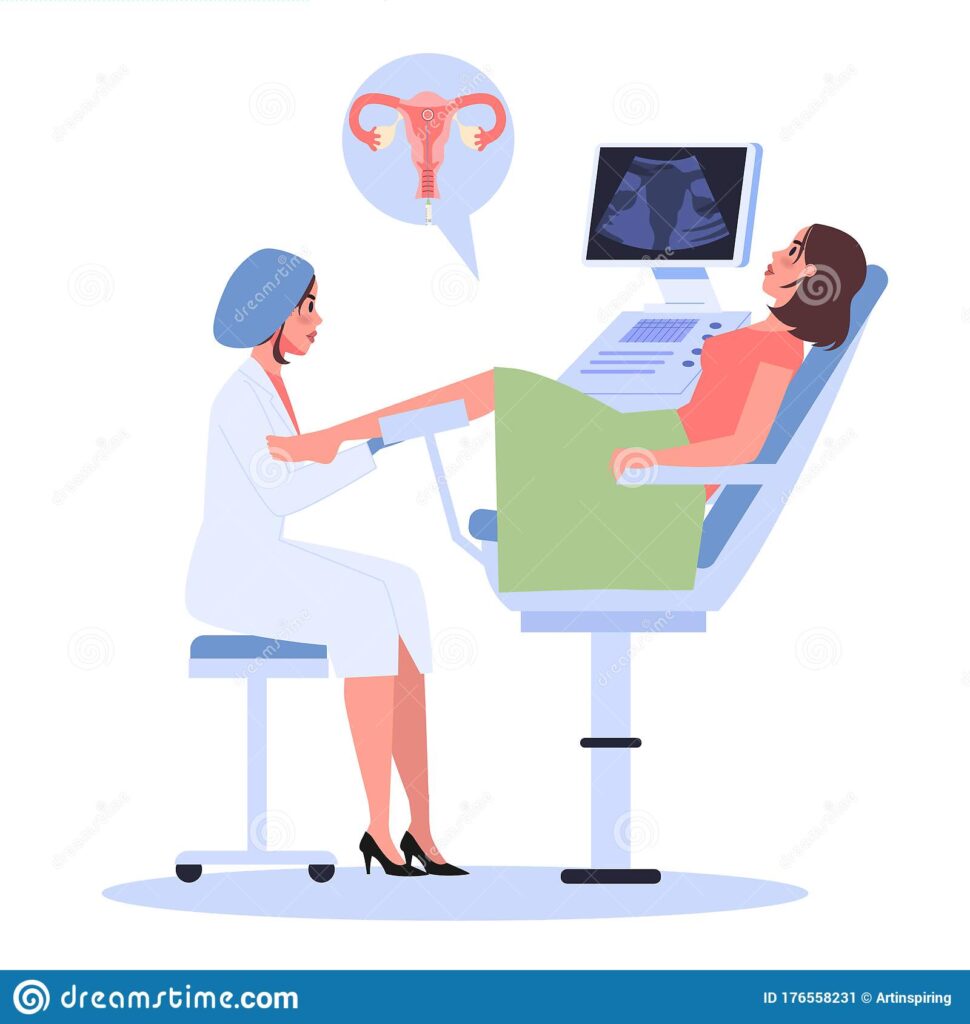
An ultrasound is a way of looking at the pelvic area by using sound waves to see the organs. These sound waves are harmless and safe. We do ultrasounds of the pelvic area to look at the uterus, ovaries and other areas nearby. An ultrasound can check an early pregnancy, or for cysts or tumours of the ovary or for things in the uterus like a thicker lining, polyps of the lining, cancer and fibroids. It is also used to help monitor changes during fertility treatments or to see if your tubes are open so that you can get pregnant. There are 2 ways to look at this area: either by inserting a thin “probe”, like a thin candle, into the vagina or looking through the lower tummy skin. The vaginal way is very helpful and accurate to look at this area and is the better and preferred way unless it cannot be used.   Is it painful at the start? There can be discomfort and even surprise at the very beginning when first inserted. Then as it is slowly inserted further, there can also be discomfort or an unfamiliar sensation that can be startling. If you are more sensitive, or if there is also a tender or painful area at the entrance such as Vestibulodynia or vaginismus (pain at the entrance of the vagina or painful muscles spasm inside) or from a smaller or narrow entrance especially if you are in menopause, this can obviously cause the ultrasound to be more uncomfortable or painful, even if inserted very carefully and slowly.   Is it painful once inside? Once inside and the exam starts, there can be pressure, side to side movement to see the ovaries and back and forth movement (small in and out like movements) to see the uterus and bladder. There can also be deep pressure when looking for the ovaries. These movements are normal and necessary to see everything with the small sensor at the tip of the probe. Most find these movements okay and not worrying but it is not uncommon, especially if you are more sensitive, or depending on when you period or ovulation occurs, or if in menopause when the vaginal lining is thin, or if you have endometriosis or larger fibroids or sensitive ovaries due to cysts or endometriosis, that you may feel more pressure, discomfort or even pain when the probe is moved. This discomfort or occasionally pain, can even linger for a while. This is common, normal and does not mean that something is wrong or that the ultrasound was done incorrectly or harshly. We can do the ultrasound the same way every time, even on the same patient and she may feel increased discomfort or pain sometimes only and not at other times. Discomfort and pain during an ultrasound is well known and reported often in medical journals. Once again, it does not mean something is wrong or went wrong during the ultrasound. How long does it take? We do ultrasounds as part of the consultation, before , during or after procedures. The vaginal ultrasound only takes a few minutes because we are focused on certain areas we are treating. Making it easier: At Meridia, we have a full illustrated consent process so that you know everything and allow us to do the ultrasound beforehand. We use state of the art chairs that are super comfortable during the ultrasound. A nurse is there all the time to help you and check-in on you. And we warm the gel! You are in control all the time and can tell us if you want us to pause for a while or stop at any time.   How do we do? Our ultrasound results: we did an anonymous survey of 1748 patients, which was managed by data experts at arm’s length from clinic staff to ensure accuracy. 1183 had ultrasounds. 99.6% said adequate information was given about the ultrasound examination. 99.1% said the ultrasound was the same or better compared to what they had elsewhere. 100% said they understood the ultrasound would be inserted into the vagina. 99.1% said they would have another ultrasound here. 97.3% said that it was explained that ultrasounds can be uncomfortable or painful at times. 99.8% said it was tolerable, uncomfortable or somewhat painful.

GYNECOLOGY: CONSENT and COMMUNICATION

A Gynecology examination is often fraught with angst, uncertainty, awkwardness and fear. From many years of experience, the ingredients for a good Gynecology consultation include good communication, excellent nursing support, good examination technique and equipment and a solid consent process. Together this creates a caring and safe experience, where you are heard and where you feel in control: this protects your autonomy and the ability for you to direct care.   A well-known ethicist, Carol Gilligan defines ethics of care as “an ethic grounded in voice and relationships, in the importance of everyone having a voice, being listened to carefully and heard with respect. An ethics of care directs our attention to the need for responsiveness in relationships (paying attention, listening, responding) “   At Meridia Medical, we take pride in the fact that our consent workflow and communication is rock solid, yet ever evolving. We have an extraordinary comprehensive consent process using dynamic annotation on a digital platform when explaining a procedure, to obtain your informed consent.   As you can imagine, everyone is different when it comes to being a patient, especially when seeing a Gynecologist. It depends on expectations, the relationship with the nurse and doctor, your previous Gynecology examination experience, mental health issues including anxiety, depression, borderline personalities, phobias to germs etc, and whether you have existing problems that cause pain during an examination. Unfortunately, some also have a background of abuse.   We have developed a safe environment for everyone, by creating a consent work flow and good communication, that is always being adapted and improved as times and information change, in order to provide you with an ethics of care approach that promotes and supports every patients’ autonomy (control and independence).   This is particularly important in our time of disenfranchised and diverse populations. I appreciate the fact that our waiting room is filled with women from all walks of life, from all corners of the globe, from refugees and uninsured women, to caregivers, entrepreneurs, artists, musicians, and other professionals. Everyone is welcome, respected and their dignity is maintained.   Our consent process is interactive, simple, yet comprehensive, allowing everyone to clearly understand what’s happening.   So how good are we: lets test it!   We had our ultrasound process reviewed by the head of Women’s Imaging at a nearby teaching hospital, and she told us she wished that they had a similar consent process for their pelvic ultrasounds. We have independent Gynecology experts review our clinic. All have found the communications and consent process to be above the standard of care. (one said “exceptional”) A communications expert Prof. Gail Siskind reviewed on site and wrote: Gerber was professional at all times in his interactions. For each patient, he explained the procedure step-by-step. He used cognitive empathy to explore the patients’ experiences. Gerber performed sensitive, personal examinations on vulnerable patients, which were consistently managed with detailed explanations of his approach, support and encouragement…..   We also undertook an anonymous patient survey, which was analysed independently to ensure legitimacy and accuracy. Just under 1800 patients participated. Results:  99.8% said Dr Gerber adequately reviewed why they were having the consultation. 99.7% said they were able to ask questions. 99.8% said that the pelvic/vaginal examination was easier/more comfortable or similar compared to previous ones they have had elsewhere. 99.3% said they were adequately informed what was going to happen before the examination or ultrasound. 99.6% said the felt comfortable and that they and their privacy were respected during the examination. 99.7% said an effort was made to make them comfortable during the examination. 99.7% said there was opportunity/respectful atmosphere to allow them to freely stop the examination if they wanted to. 96.5% said they were very satisfied or satisfied that their questions were addressed.   From a qualitative standpoint, the statistics summarized above do not capture the exceptionally positive handwritten comments that patients chose to include, including the following:   Nurses & Dr. Gerber are very professional, polite & sensitive to my needs through the examination. Gerber was exceptional Very professional, kind doctor Staff was accommodating and kind. Procedure done very smoothly It was a great experience! I am happy with my experience at the clinic. I had no concerns regarding my procedure and was made to feel comfortable at all times. I would continue seeing Dr. Gerber for ongoing care and find him to be knowledgeable and caring. Your team is awesome. I hate downtown with a passion but then feel so happy and respected after my appt. Gerber is very personable, warm & helpful. Makes me feel comfortable. This is the Best Dr.s office I have ever been to. Great Dr & staff Gerber and his staff go above and beyond. I would highly recommend Dr. Gerber – he is knowledgeable and professional and warm. I am thankful to be your patient. Communication was clear and made me feel safe and protected. Felt comfortable and liked knowing each step before proceeding. Everything was clearly explained and there was patience w/ questions. Everyone was extremely kind, a great first experience! Excited to come again, kudos to all involved! This is the most comfortable I’ve ever been made to feel about a transvaginal exam and I’ve had 50+ in my life.

Vagina entrance pain: Is it due Vestibulodynia?

If you’re having vaginal pain that prevents you from having a pap test or a vaginal ultrasound, sex or tampon insertion, you’re not alone. About 20% of women experience this and develop chronic pain, avoid intimacy, lose self-confidence, have decreased or no desire or feel depressed about it. Examinations can be severely painful. Which is why it’s important for you to understand the causes and proper steps to take when you have pain at the vaginal entrance and during deeper insertion. Doctors often don’t recognize the issue and you may feel or hear that “it is in your head”. It is not in your head. This is real pain!   What NOT to do: Don’t think it is in your mind or due to poor sexual technique. Don’t think that you have done anything wrong, it just happens. Don’t blame your partner of let this get in the way of a healthy relationship, get help to fix it. Don’t believe anyone who tells you to have more sex or that there is nothing wrong. Pain is pain!   What’s causing it? More often than not, the pain during sex can be narrowed down to two common diagnoses: a narrow entrance or a tender, painful vaginal entrance caused by inflammation called Vestibulodynia (some call this spectrum of symptoms Vulvodynia or Vestibulitis and/or Vaginismus). Pain at the vaginal opening and in the vagina can also often be associated with tender muscle spasm, commonly called vaginismus. Although there are other alternative diagnoses, they are rare.   What’s the difference between pain from a narrow vagina vs inflammation? Putting it simply, if you have pain only when inserting something larger, but none when you insert a small tampon or finger, then your vaginal entrance/Vestibule may be too small. If however, any touching of the area, especially the back part of the entrance towards the anus side, you likely have Vestibulodynia. Try this simple 3 step self test:   Performing a Self-Examination: Step 1: Begin by gently putting a finger (with lubrication) into your vagina only as far as your second knuckle.   Step 2: Push on the back part of the entrance just before the hymen. (Don’t be afraid, no harm will come to you if you are gentle.)   Step 3:  If you feel tender or pain especially on the back part on the vaginal entrance, you likely have vestibulodynia.     Treatment: See a Gynecologist or your Family Doctor because you need local treatment at the entrance area (vestibule) and possibly pelvic physiotherapy. It can take many months to feel better so it’s best to start treatment soon. Treatment can be simple and at Meridia Medical, we’ve developed a combination ointment that has proven to be very helpful for those who suffer from Vestibulodynia. We’ll make sure to help you through every step and get you the treatment you need.  If the entrance is too small, there are treatments to fix that. Again, do not believe others who tell you to have more sex or that there is nothing wrong.  The pain is not in your head but real at the vaginal entrance. Repeated attempts at sexual vaginal penetration will not make it better. In fact, you may feel increasing pain, you may have anticipation anxiety, you may resent your partner, you may feel down, lose confidence and lose your sexual drive/libido and eventually avoid sex.

PAIN PERCEPTION

Pain perception is a complex process that involves many factors, including genetics, environment, culture, and past experiences. The way that we perceive, and experience pain can be influenced by a variety of factors including age, gender, and overall health.   Different people can have different levels of tolerance for pain, which can affect how they experience pain. For example, some people may have a higher pain threshold, meaning that they can tolerate more pain or discomfort, while others may have a lower pain threshold. As an example, a simple filling at the dentist may be commonplace for one person, but uncomfortable for another.   Additionally, people may have different pain experiences based on the underlying cause of their medical condition. For example, two people with the same medical condition or undergoing the same procedure may experience pain differently. Furthermore, someone may undergo the same procedure or diagnostic process multiple times and not feel pain or discomfort, but may feel pain or discomfort another time, even it is performed the same way.   Pain perception and tolerance are complex and multi-faceted and can vary greatly between individuals.

Dry and painful sex during menopause

Why is it painful to have sex during menopause? Pain during sex can be due to a combination of dryness and tightening of the vagina and narrowing of the vaginal entrance. This is called “vaginal atrophy”.   What causes it? The hormone estrogen, made mostly in the ovaries, helps keep the vaginal lining lubricated, soft and flexible especially during sex. Leading up to menopause (when your period stops), there is a gradual lowering of estrogen hormone levels from the ovaries.   Is it common? Vaginal dryness and painful sex are one of the more common symptoms we manage for menopausal women.  Fortunately, most often, the treatment is very successful.   Why is it important to treat. Having a well lubricated and functional vagina that allows you to be confident of having intercourse or the possibility of intercourse, can be important for your overall wellness and confidence. If your vagina and the entrance is dry and narrow, it can be more tender or painful when you are being examined for a pap test or pelvic ultrasound. Vaginal atrophy with resulting dryness and narrowing of the vagina and the entrance does not have to be part of your life forever. If treated, this part of your body can be vital, fulfilled and confident. It also helps maintain a sexual and loving relationship with your partner.   Can I prevent these changes from happening? By having this managed early on, the success of rejuvenating and maintaining a healthy and functional vagina is much better.   Are there other causes of painful sex in menopause? Yes, sometimes the entrance is more fragile and thinner and can tear easily causing some bleeding and pain. There are other conditions such as skin changes (Lichen Sclerosis) or inflammation at the entrance (Vestibulodynia). Other rare causes can occur, that’s why an examination is necessary.   How to rejuvenate the vagina? Options include: Applying estrogen into the vagina and to the entrance (unless estrogen is not allowed due to other conditions or risks of disease) Hyaluronidase gel or cream into the vagina Vaginal dilators, if too narrow, Lubrication products, (we recommend natural coconut oil for lubrication) Radio frequency laser treatments, however, the results are not clearly confirmed. Rarely surgery is required to widen the entrance.

What makes a pap test or vaginal examination easier?

There is no one technique or one way of doing a perfect examination. Every woman is different, with varying requirements. For nurses and physicians to be aware and adapting to these needs, is very helpful. The factors that make an examination, pap test, vaginal procedure, colposcopy or vaginal ultrasound better is good communication before and during, inviting constant patient feedback if its not comfortable, in order to pause or stop the examination at any time. Other factors include correct positioning on the examination chair and using the smallest speculum possible. Inviting conversation during an examination or procedure can also help and most patients find this distraction very helpful. Everyone experiences an examination differently, and even if I do the same examination, the same way each time, responses are different, even for a returning patient. There are some obvious reasons why an examination may not be well tolerated, even if done using the best technique and the tiniest speculum. Most common are existing physical or Gynecology concerns such as a small, narrow entrance, a painful entrance (vestibulodynia), a dry and thin vagina due to menopause, painful endometriosis, large fibroids, tearing or pain from sex, timing immediately before, during or after a period or during ovulation. Not using a small enough speculum Being more sensitive to pain General anxiety, body shape/size concerns, being shy or naïve about the genital area, cultural or knowledge influences, previous Good communication before and during and respect for autonomy where a patient feels she has been heard and is in control, is so helpful, even if there is still unintentional discomfort or pain, Due to our open communication with patients, it has become common for women to say to myself and the nurses that this was the easiest Gynecology examination they have had. Open communication between the physician, nurse and you the patient, is so important for the quality of your care and the experience. I encourage you to be open with your physicians about both the positives and negatives of an appointment. At Meridia Medical, we try everything in our power to create a positive experience both physically and emotionally. I focus on getting this right and have invested significantly to make our clinic accessible for all patients, no matter their size or physical predicament. This includes having a nurse assist you during every examination or procedure, speculums of every size, as well, having power examination chairs to allow for optimal positioning for all women of different shapes and sizes, or for those that are disabled or wheelchair dependent. OUR RESULTS FROM PATIENTS LIKE YOU We undertook an anonymous patient survey, which was analyzed independently to ensure legitimacy and accuracy. Just under 1800 patients participated.  (See full survey results here) 99.8% said Dr David Gerber adequately reviewed why they were having the consultation. 99.7% said they were able to ask questions. 99.8% said that the pelvic/vaginal examination was easier/more comfortable or similar compared to previous ones they have had elsewhere. 99.3% said they were adequately informed what was going to happen before the examination or ultrasound. 99.6% said the felt comfortable and that they and their privacy were respected during the examination. 99.7% said an effort was made to make them comfortable during the examination. 99.7% said there was opportunity/respectful atmosphere to allow them to freely stop the examination if they wanted to. 96.5% said they were very satisfied or satisfied that their questions were addressed.

For Labiaplasty please book a consultation at which time you can view before and after photos


(416) 484-8383